Dentist Explains How Daily Habits Affect Oral Health in Etobicoke
By Sundent Family Dental Team · Sundent Family Dental, Etobicoke
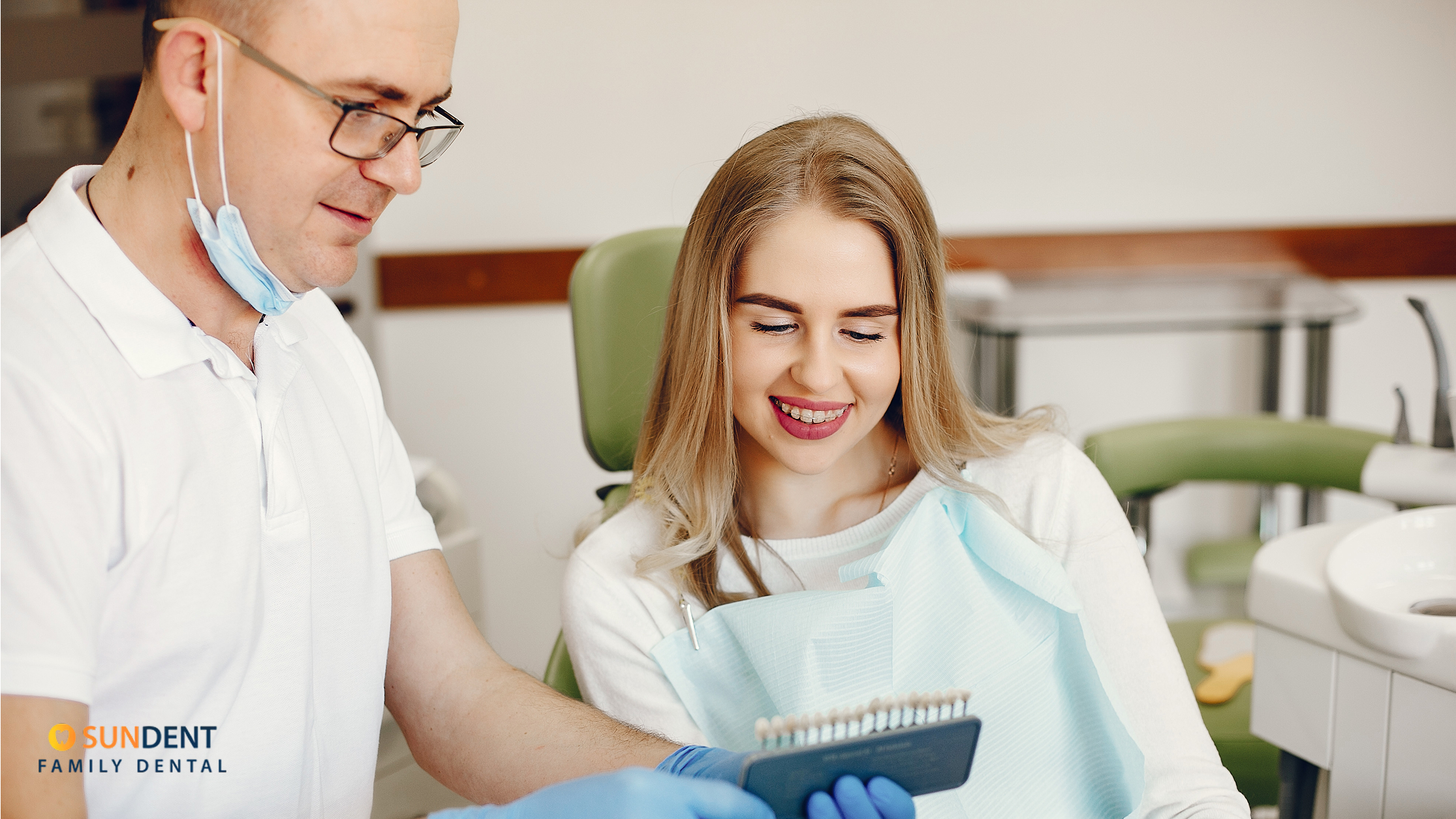
Want to improve your daily oral care routine? Contact Sundent Family Dental today to book your visit.
Brushing Technique Makes a Difference
Brushing twice a day is essential, but technique matters. Brushing too aggressively can wear down enamel and irritate gums, while brushing too quickly may leave plaque behind.
Healthy brushing habits include:
- Using a soft‑bristled toothbrush
- Brushing gently in circular motions
- Reaching all tooth surfaces
- Brushing for a full two minutes
Replacing your toothbrush every three to four months also helps maintain effective cleaning.
Flossing Protects the Spaces Between Teeth
Even thorough brushing cannot remove all plaque between teeth. Skipping flossing allows bacteria to build up in tight spaces, which can lead to cavities and gum inflammation.
Daily flossing helps:
- Reduce plaque buildup
- Prevent gum irritation
- Lower the risk of decay between teeth
- Improve overall breath freshness
Consistent flossing is one of the most important habits for long‑term oral health.
Diet Plays a Major Role
What you eat and drink directly affects your teeth. Frequent consumption of sugary or acidic foods feeds bacteria that produce enamel‑damaging acids.
Better daily choices include:
- Drinking water instead of sugary beverages
- Limiting snacks between meals
- Choosing crunchy fruits and vegetables
- Including calcium‑rich foods
Making mindful dietary decisions protects enamel and supports gum health.
Stress and Teeth Grinding
Busy schedules and daily stress can lead to unconscious habits like grinding or clenching teeth. Over time, this can cause:
- Worn enamel
- Jaw soreness
- Headaches
- Tooth sensitivity
If you notice these signs, visiting a dentist in Etobicoke can help determine whether a custom night guard or other solution is needed.
Hydration Supports Oral Health
Saliva plays a key role in washing away bacteria and neutralizing acids. When you are dehydrated or experiencing dry mouth, your risk of cavities increases.
Drinking water throughout the day supports natural saliva flow and helps keep your mouth balanced and comfortable.
Avoid Using Teeth as Tools
Opening packages, biting nails, or chewing on hard objects can damage enamel and cause cracks or chips. These small habits often go unnoticed but can lead to unnecessary dental treatment.
Being mindful of how you use your teeth helps preserve their strength and structure.
Tobacco Use Impacts Your Smile
Smoking or using tobacco products significantly affects oral health. It can increase the risk of gum disease, staining, bad breath, and more serious concerns.
If tobacco use is part of your routine, discussing it with your dental team can help you understand its impact and explore support options.
Consistency Is Key
Daily habits matter most when they are consistent. Brushing, flossing, staying hydrated, and attending routine dental visits create a strong foundation for oral health.
If you are unsure whether your habits are supporting or harming your smile, searching for a trusted dentist near me and scheduling a visit can provide clarity and personalized guidance.
Conclusion
Your everyday habits have a powerful influence on your oral health. From brushing technique and flossing to diet and stress management, each choice affects your smile. A Dentist explains how daily habits affect oral health to help you understand how small adjustments can prevent bigger problems.
If you are looking for a reliable dentist near me in Etobicoke, Sundent Family Dental offers compassionate, comprehensive care designed to support your long‑term oral health.
Book your appointment today and take the next step toward a healthier smile.